useless seconds: Drawn to Music That Refuses to Stay Still
In a culture that values speed and efficiency, useless seconds thrives on longer formats, careful sound design and intention. What started as an anonymous YouTube channel for digging and “losing” time has grown into a label, collective, and now a sold-out memòri festival, shaping a sonic movement that refuses to stay still. Ahead of their joint night with Amphibian at Ankali, we spoke with Antoine Hernandéz, one of the minds behind the project, about origins of useless seconds, his personal journey and the art of slow programming.

When I first heard the name useless seconds I projected the idea that the time we spend listening to music on a dancefloor, dancing with others, is in a way ‘unproductive’ or ‘useless’ in the neoliberal reality we live in. Does this idea resonate with you, or relate to the project somehow? Where does the name come from?
I find your interpretation of the name really interesting and relevant. It actually comes from a YouTube channel I started anonymously about seven years ago, which gained a bit of traction back when people were constantly digging through different channels to discover music. At that time, I was spending a huge amount of time searching for tracks and, in a way, “losing” time, even though it never really felt like a loss. That’s where the idea of useless or unproductive seconds came from.
Later on, when we were looking for a name for the collective, after nearly two months without finding anything that truly made sense, we remembered that I had this YouTube channel and realized that the label felt like its natural continuation. So we all agreed to keep the name.
However, it really doesn’t seem like you’re losing any time – doing all that you do. Can you tell us what you’re working on these days?
Haha, that’s true, there hasn’t been much lost time lately. Since deciding to focus fully on useless seconds in March 2025, things have accelerated quite a lot. I’ve been developing the label, starting to build the agency side, and at the same time imagining how to bring memòri to life. Initially with plenty of ideas but honestly very little money to begin with. One of the most important steps was surrounding myself with the right people, a team who are not only extremely serious and talented in their respective fields, but also genuinely kind, fun and inspiring to work with. Creating that environment felt essential to launching such an ambitious project in a healthy way.
Today, my days are mostly divided between growing the label, developing events across Europe, reaching out to promoters, clubs and festivals to support and place the artists I truly believe in, and preparing the first edition of memòri so it can be as thoughtful and complete as possible. The festival selling out in just three days was completely surreal, but it also means expectations are now very high, and we feel a strong responsibility to welcome everyone in the best possible way. To create an experience that truly lives up to that trust.
To briefly reflect on the past before we move further, can you tell us about some valuable lessons you learned while working on your previous projects – Positive Education, club essaim in Paris, pe:rsona festival? And perhaps how you apply those lessons to current projects?
To be honest, these three experiences deeply marked me and really changed the way I work and see things today. Each of them helped me better understand what kind of environments I want to build moving forward. I could probably speak about this for hours, but since I still have close relationships with the people involved, I prefer to focus on what they taught me.
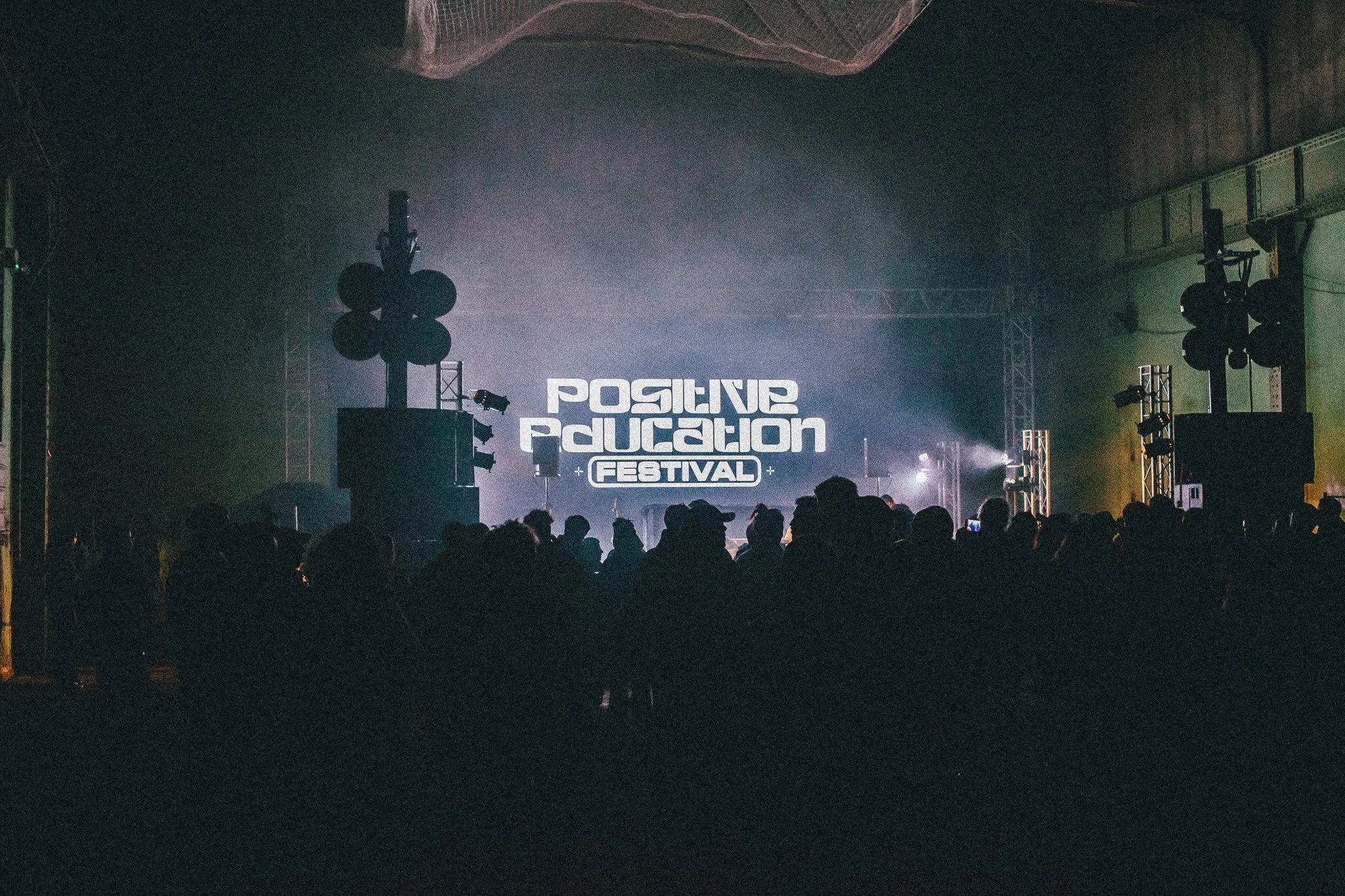
Positive Education taught me the importance of being intentional about how a project is built around people and shared vision. It made me realise how essential it is to create strong, balanced teams where everyone moves in the same direction. I am also deeply grateful to Positive Education for everything it brought me, both personally and professionally. Today, this translates into paying much more attention to the human structure behind useless seconds and memòri, and to building projects that can grow sustainably over time.
With essaim, the lesson was more personal. It helped me understand what kind of rhythm and format truly suits me as a curator. Being involved in a club on a weekly basis taught me a lot about precision, consistency and nightlife dynamics, and I am very thankful to essaim for everything I learned there. At the same time, it made me realise that I feel more fulfilled working within longer formats. I need larger spaces and extended timelines where a story can unfold from day into the night, which is something festivals naturally allow.
pe:rsona on the other hand, was probably the most emotional confirmation for me. It was a project built with people I genuinely cared about, and through its evolution it became a space where close friendships, trust and shared vision naturally strengthened the experience. The second edition in summer 2025 especially made me realise how powerful a community can become when people truly feel connected to what is happening. The atmosphere, the music and the collective energy made it one of the most meaningful events I have ever been part of, and it reminded me that creating gatherings is something I cannot step away from.
In many ways, useless seconds and memòri are the continuation of these lessons: taking care of the human dimension, creating space for long narratives, and building communities where people can share something sincere together.
You are clearly helping to shape an ecosystem with a very singular style, or sound. How would you describe it yourself? What do useless seconds sound like?
I think the sound of useless seconds, much like my own taste over the years, is constantly in motion. It never really stays fixed, but there is one clear common thread running through everything we do: a very strong focus on sound design.
Over the past years, we naturally moved toward faster tempos, exploring and mutating between genres like DnB, tribe and deep techno. It was a very intense phase, pushing energy and texture further and further. But because I always feel the need for renewal, lately, together with my team and close artists and friends like Kia, Konduku or garçon, we’ve felt the desire to slow things down slightly, returning to tempos around 120 to 140 BPM and bringing back a sense of fun and playfulness. Maybe the global situation plays a role in that shift. I strongly believe it does. There’s a need for release, for movement that feels lighter without becoming superficial.
At the same time, the emphasis on sound design remains central. That idea is really at the core of our upcoming release. We invited thirteen artists who don’t usually produce tech house or dub to reinterpret those languages by infusing their own music with elements borrowed from them, whether through basslines, rhythms or structural ideas. Much like experiments we did years ago, I think what will come out of this will feel both unexpected and genuinely fun.
Where does this strong sound design focus come from for you? Is it about pushing the technology, or like what’s possible? And where does it come from historically in your own tradition? Soundsystem swamps? 🙂
Honestly, I don’t know exactly where it comes from. I’ve always been drawn to music that refuses to stay still or repeat its own formulas. At some point, when deep techno started to feel a bit stagnant to me, I discovered Feral and this very swamp-like, organic approach to sound design. Around the same time, I witnessed Woody92’s transformation toward something much more radical and cold. I had actually first seen him playing a downtempo set in a club back in 2018, which makes it even funnier looking back.
At that moment I was both DJing and co-programming the Positive Education festival, and together with my brother Adrien (A Strange Wedding) we were running the Ultra Low Velocity project. That shift in sound hit us very strongly. Since we also had a strong platform through Positive Education, we naturally started giving space to this music, especially across the three days on what became the famous Stage 3. It wasn’t a strategic move or an attempt to define anything, we were simply inviting artists whose music deeply moved us.
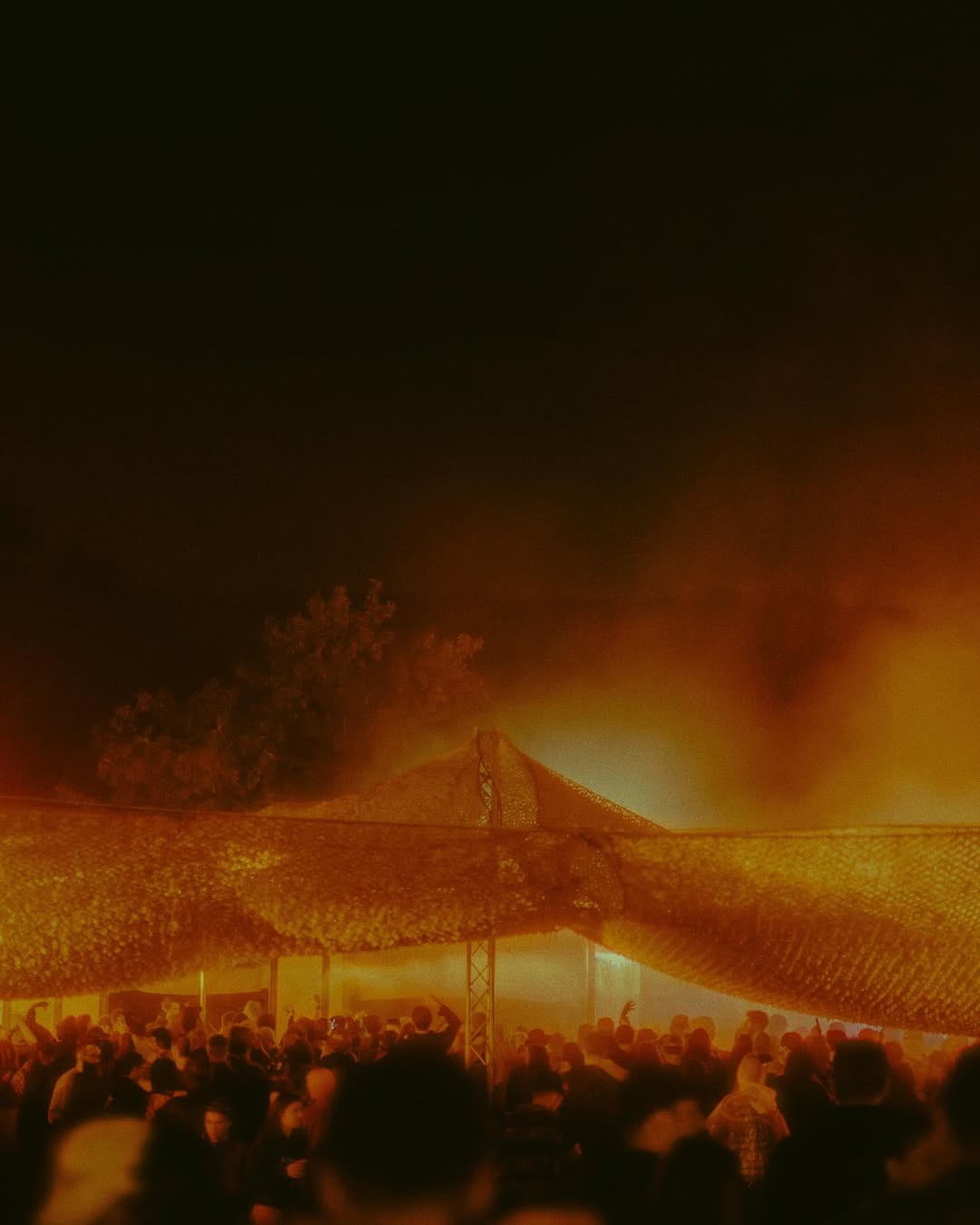
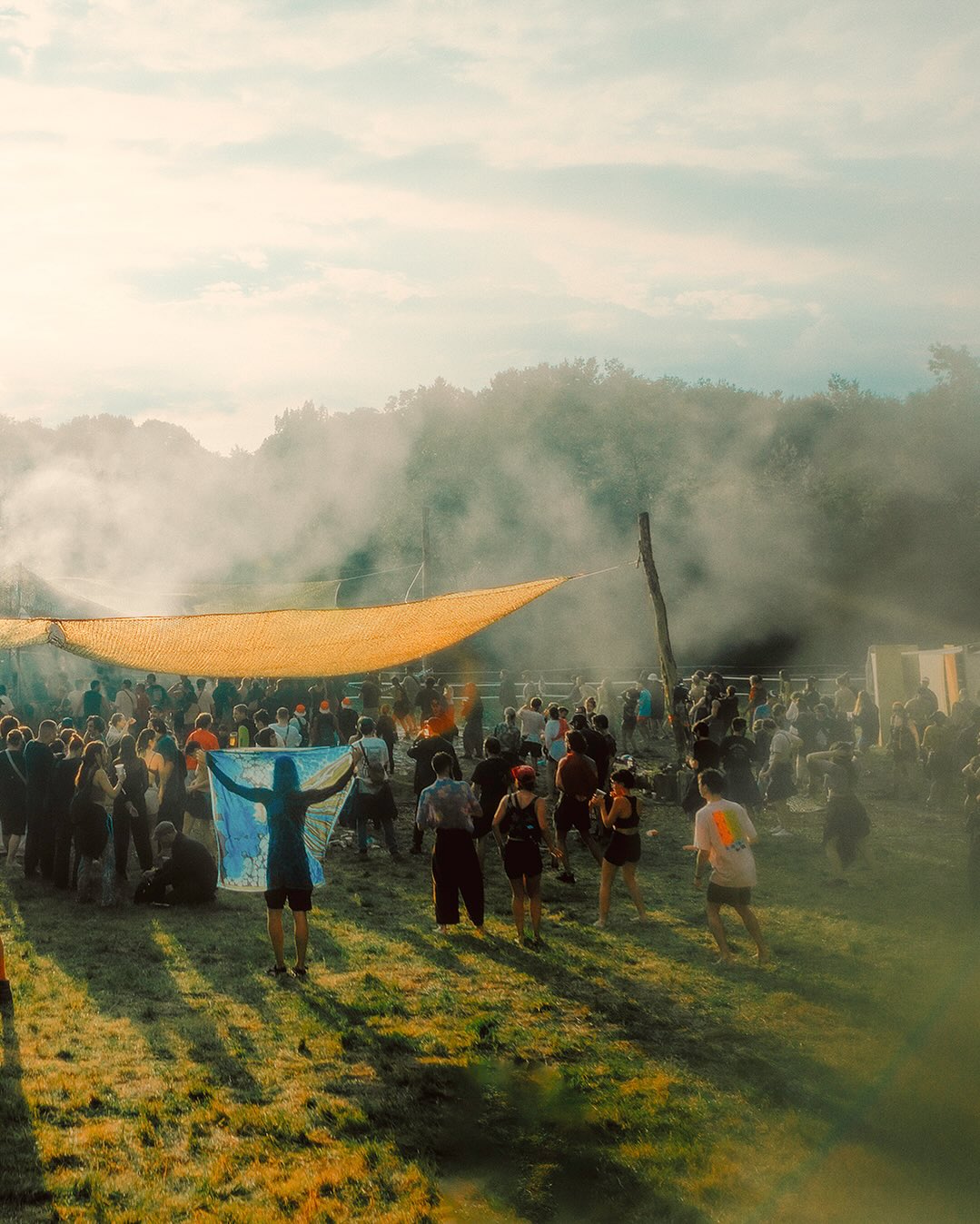
pe:rsona 2025 📷 @ldscarla & @raphael.chene
How does this all sit with the rest of the French, or European scene? Do you feel like you’re connecting dots, or rather building something new? Or let me put it pragmatically – is this sound getting booked more?
As for why and how it became so rooted in the French scene, I honestly don’t have a clear answer. We never felt like we were starting a movement. I only really understood the impact later, after reading Basic Chanel’s article on Untitled909, where many French artists mentioned Positive Education as a major influence. Looking back, it’s quite surreal to realize how many of those artists were actually standing in the crowd during those years.
At the time it felt like we were contributing to something new, mainly because there were still very few DJs and producers exploring that territory. But as the sound started being booked more and more, which is great in itself, many people began producing within the same aesthetic. Like with any movement, things slowly started to resemble each other. That’s also why today I feel the need to mutate it again, bringing elements of tech house and dub back into the equation, to reopen possibilities and keep the scene evolving rather than repeating itself.
You mentioned you prefer more space and longer formats for programming. How do you implement this approach into memòri?
memòri is clearly the perfect festival for me. Before even thinking about programming, I really learned through two editions of pe:rsona that how you welcome the audience is just as important as the lineup itself. So it’s a real pleasure, together with the team, to focus on creating an environment where people feel genuinely received and taken care of.
When it comes to programming, what I enjoy the most is imagining the flow of each day. From what will gently wake the audience up in the morning to what will finally put them to sleep. Thinking about which energy opens the pool stage, which live acts and atmospheres unfold on the main stage, and how the mini club responds stylistically to what happened earlier during the day. At the same time, we carefully curate the ambient stage, so that those who want to pause, listen, or simply rest between dancefloors are welcomed into a space that feels soothing and immersive.
The days will begin at 10am and continue until 6 or 7 in the morning. The main stage closes around 2am, but other spaces remain alive much later, allowing the experience to slowly dissolve rather than abruptly end.
A few weeks back Reset! Network published a study which basically uncovered that a big portion of Europe’s festival and venue map is owned by only a handful of companies. Does this surprise you? Have you yourself encountered this big capital taking control of the music culture in any way? On one hand, electronic music seems to be the biggest ever from the business perspective, yet the culture doesn’t seem to be exactly thriving overall. How do we face that?
I hadn’t seen the Reset study, but I was already aware that more and more festivals and venues are being bought by large groups. And honestly, I find it very concerning to see big corporations progressively taking control of so many cultural spaces. I have friends in France who had been programmers for years at major festivals and suddenly lost their positions without clear reasons. Unfortunately, in the current liberal and capitalist context, it doesn’t really surprise me. Personally, I’ve been lucky not to face this situation directly. A large production and booking company offered to invest in my new project, but I chose to refuse in order to remain fully in control of what we want to propose artistically.
What gives me hope is what still exists at the scale of small clubs and independent festivals. These spaces survive because of solidarity more than competition. Many of us are dealing with the same fragilities, so we support each other by sharing artists, knowledge, audiences and sometimes simply trust.
From my perspective, culture is still very alive in these environments because decisions are made by people who are directly involved emotionally and artistically, not only financially. Growth is slower, sometimes more uncertain, but it allows experimentation and long term relationships to exist.
So even if large capital is reshaping parts of the industry, I feel that electronic music keeps reinventing itself through these smaller interconnected ecosystems. Maybe the future of the culture doesn’t lie in becoming bigger, but in staying collective and independent enough to keep taking risks together.
useless seconds join Amphibian at Ankali on February 27, 2026.
Presale via RA.
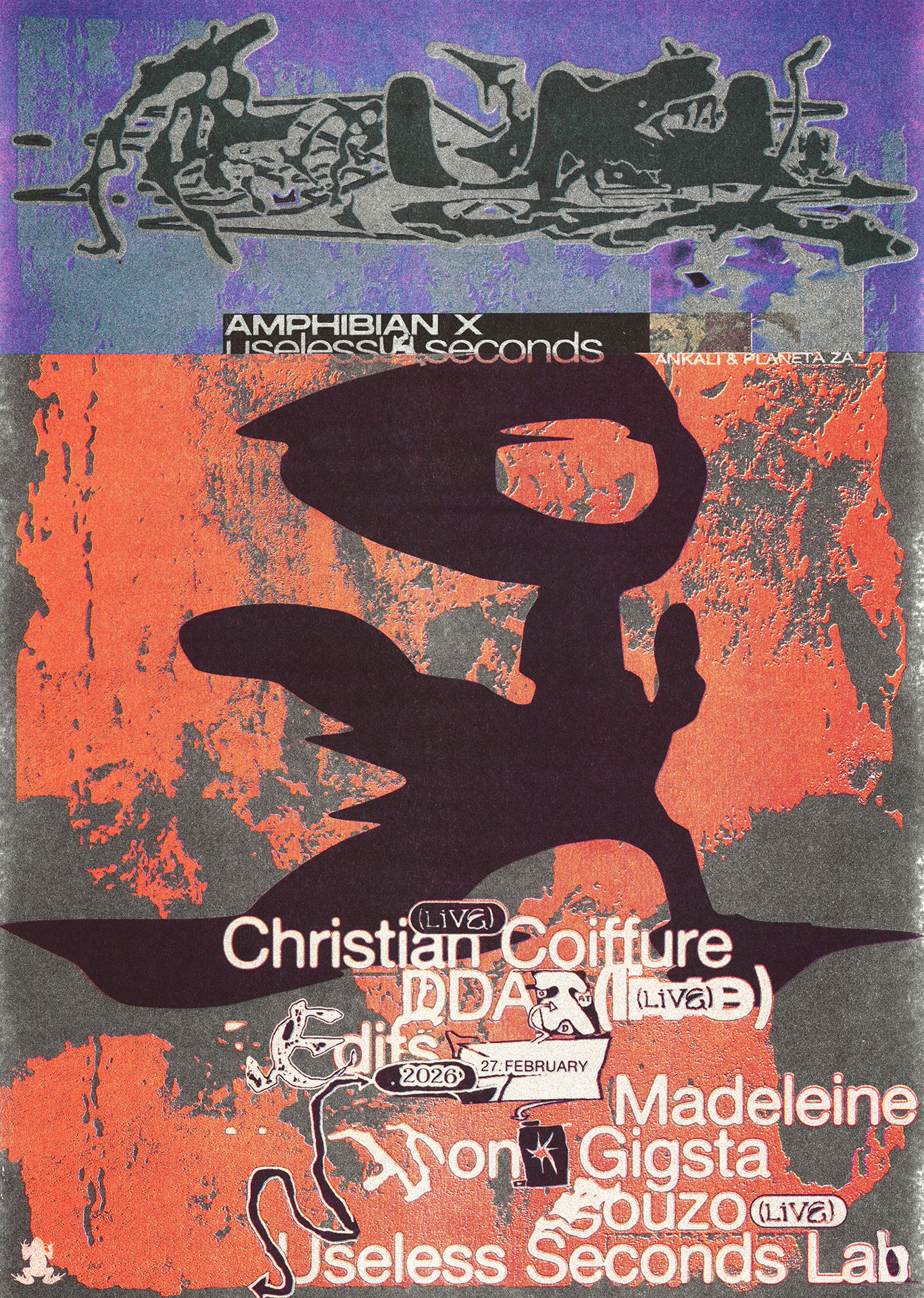
Artwork by @dypere.cc